
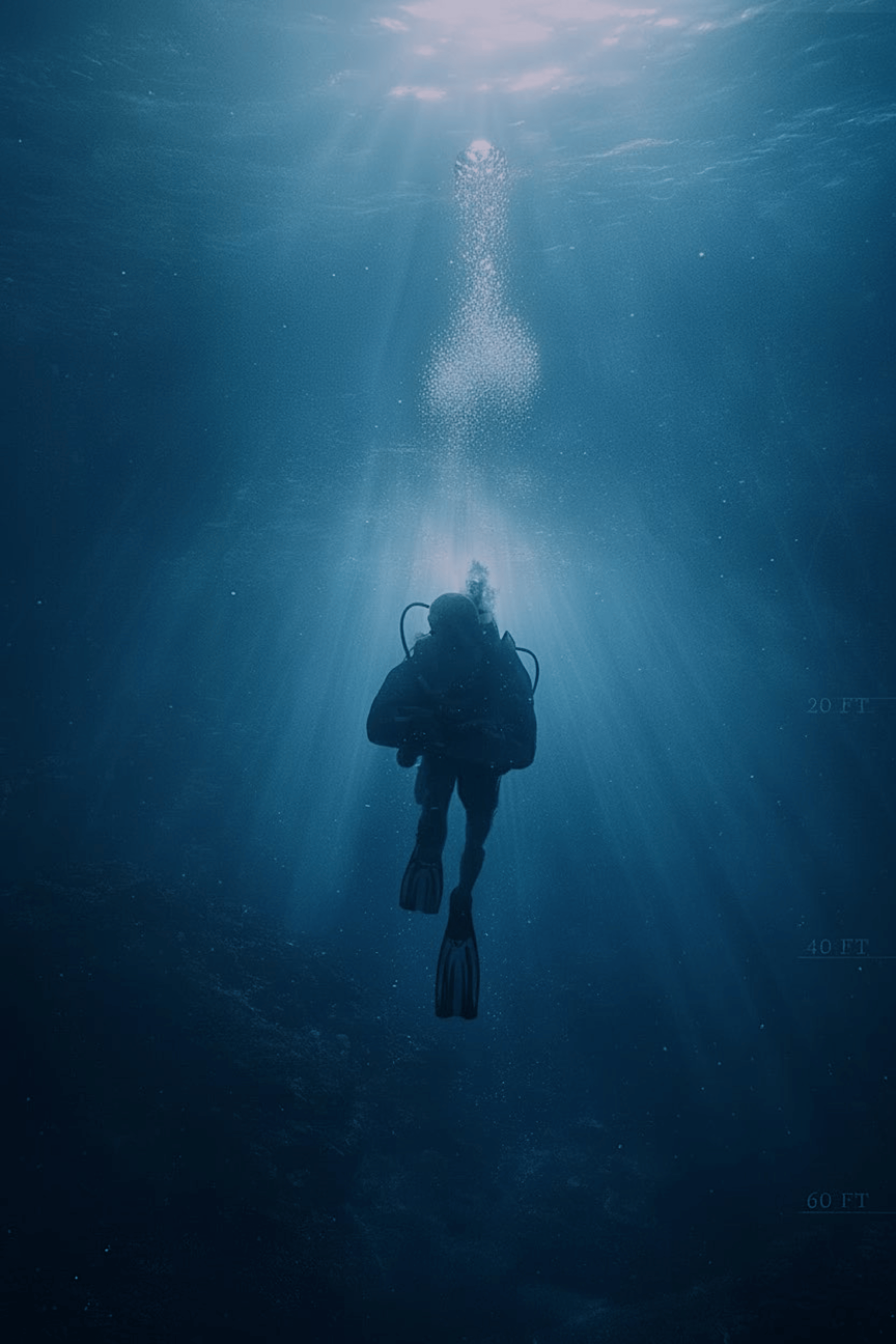
Diving Like an Engineer
Buceando Como un Ingeniero
Perspectives on Risk and Reliability Underwater
Designing reliable margins of safety.
Diving like an engineer does not mean removing the joy from diving. It means protecting it by respecting the ocean’s indifference and meeting it with preparation, discipline, and honest decisions.
______
Seeing the System
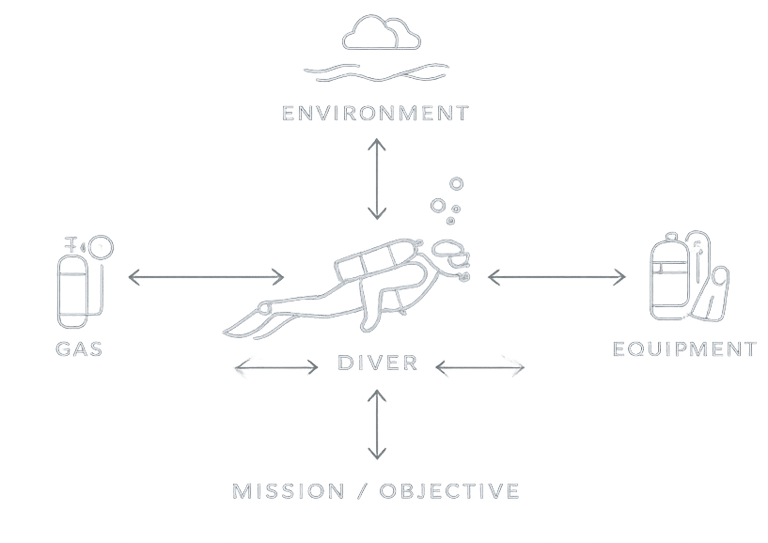
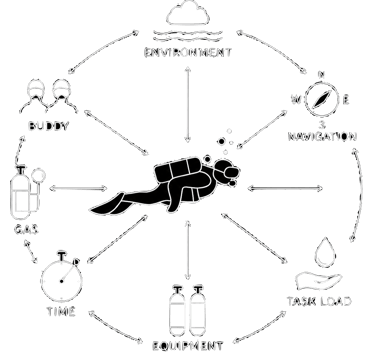
THE DIVE AS A SYSTEM
A dive is a system of interconnected elements that continuously influence one another.
______
Engineering the Dive
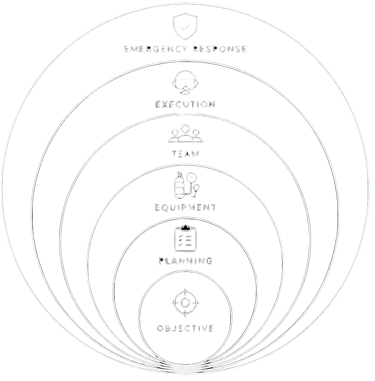
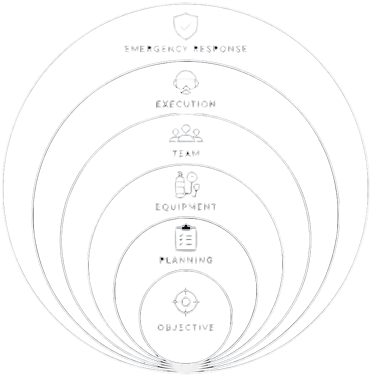
DEFENSE IN DEPTH
Multiple layers of protection help to prevent small problems from becoming significant incidents.
______
Operating Underwater
MONITORING MARGINS
Conditions change. Plans evolve. Safe operation depends on continuously monitoring key variables and adapting before margins disappear.
______
Integration
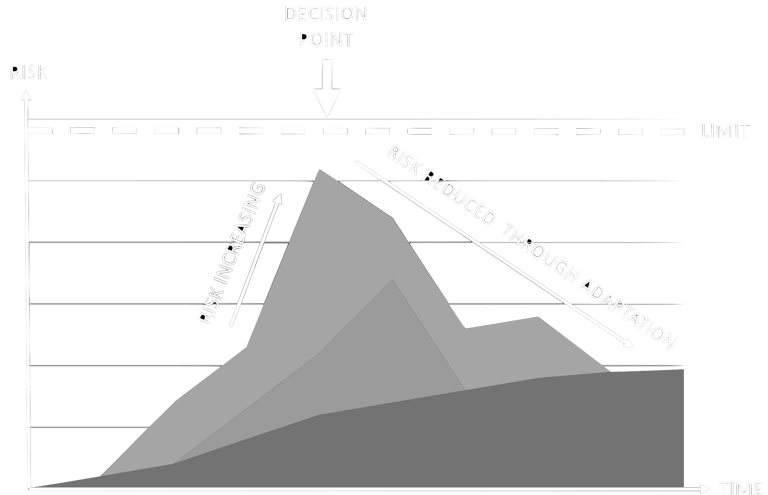
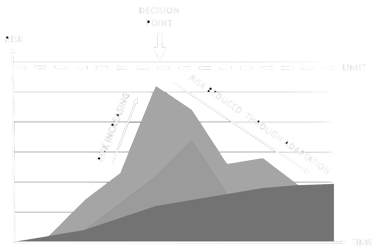
MANAGING RISK CONTINUOUSLY
Continuously planning, monitoring, adapting, and learning keep risk within acceptable bounds.
______
A deeper dive into
COMING SOON
______
Important Notice
The information presented on this page is provided for educational, informational, and discussion purposes only. It is not a substitute for formal scuba training, certification, supervision, professional instruction, dive planning, risk assessment, or adherence to established diving standards and procedures.
The concepts, diagrams, observations, and perspectives presented here reflect the author's personal exploration of systems thinking, risk, reliability, and decision-making in diving. They should not be interpreted as operational procedures, safety standards, training requirements, or professional advice.
Nothing on this website supersedes the standards, materials, guidance, or recommendations of any diving training agency, instructor, dive operator, equipment manufacturer, employer, government agency, or regulatory organization.
_________________________
(c) 2026 deorilla.com
The views expressed here are my own and are provided for educational purposes only. They do not represent the views of any employer, agency, organization, or training agency.
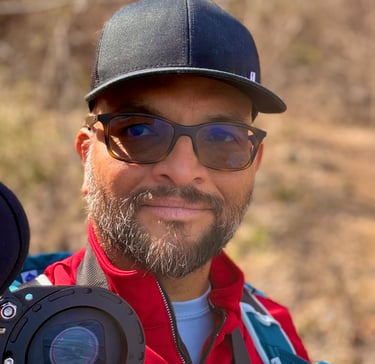
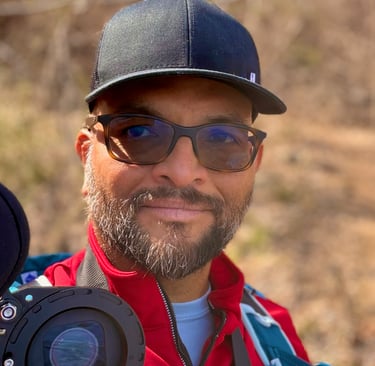
ABOUT ALEXANDER VELÁZQUEZ
ENGINEER•SCUBA DIVER • PHOTOGRAPHER
AUTHOR • MUSICIAN • EXPLORER
A personal exploration of oceans, landscapes, ideas, and the connection between them.
YOUTUBE
FLICKR