
El Camino del Agua
The Journey of Water
Water surrounds us, sustains us, and connects us, yet most of its journey remains invisible.
It rises from the ocean, travels through the atmosphere, falls across forests and mountains, flows through rivers and aquifers, supports communities and ecosystems, and eventually returns to the sea.
This exploration seeks to better understand that journey—not only how the water cycle works, but how human activities are reshaping it, where the greatest challenges exist, and what role each of us can play in protecting the systems that sustain life.
A Possible Framework
Where does water come from?
Not just the water in a river or a glass, but the water that sustains a forest, a city, or a coral reef.
Where does it go?
What paths does water follow after it falls as rain or reaches the ocean?
What does it connect?
How are clouds, forests, rivers, groundwater, farms, cities, wetlands, and oceans linked through water?
What happens when those connections are disrupted?
What changes when forests disappear, rivers are altered, wetlands are drained, reefs decline, or the climate changes?
How does water shape our lives?
How does it influence where we live, what we eat, the energy we use, and the landscapes we call home?
How do we shape the journey of water?
Every road, farm, city, reservoir, and community influences the path water takes.
What can we learn by paying attention?
What becomes visible when we begin seeing water not as a resource, but as a living system connecting everything around us?
What can each of us do?
... as citizens, travelers, divers, hikers, photographers, and members of the community.
People
This is the component many forget. Humans influence every stage through: cities, agriculture, energy, industry, and conservation.
Question: How do our choices change the journey of water?
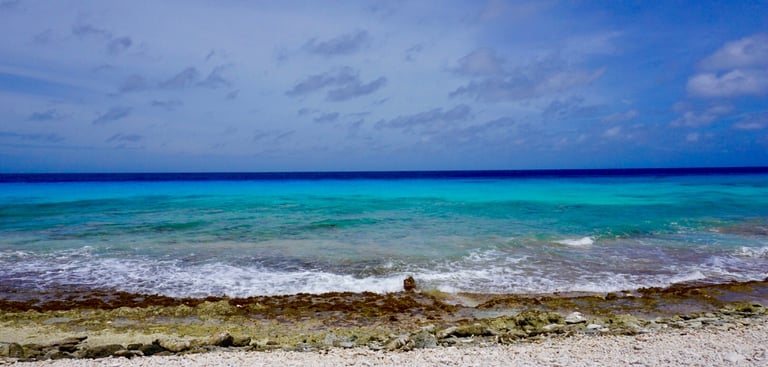
The Ocean
The Ocean. The largest reservoir of water on Earth. Stores most of the planet's water. Drives evaporation Influences weather and climate. Supports marine ecosystems
Question: How does the ocean influence places hundreds of miles inland?
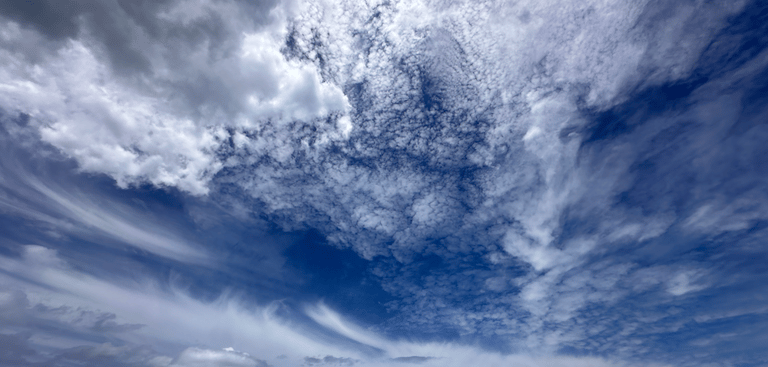
The Atmosphere
Water Cycle. Water enters the atmosphere through: evaporation, transpiration from plants... The atmosphere transports water around the planet.
Question: How far can a drop of water travel before falling again?
Land and Forests
Forests, soils, and vegetation: capture rainfall, release water back to the atmosphere, reduce erosion, regulate temperature.
Question: What happens when forests disappear?
Rivers and Wetlands
Watershed. These are the pathways that move water across landscapes. They: transport nutrients, invigorate ecosystems, connect mountains to the sea
Question: What stories does a river carry to the ocean?
Groundwater
The hidden part of the cycle. Water infiltrates into soil and rock. It may remain underground for: years, decades, centuries
Question: How much of the water we depend on is invisible?
_________________________
(c) 2026 deorilla.com
The views expressed here are my own and are provided for educational purposes only. They do not represent the views of any employer, agency, organization, or training agency.
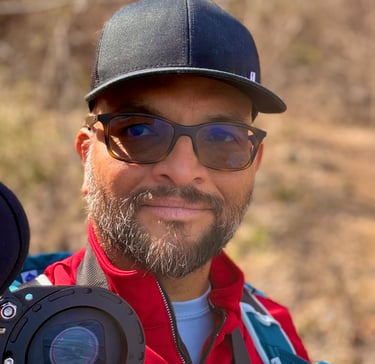
ABOUT ALEXANDER VELÁZQUEZ
ENGINEER•SCUBA DIVER • PHOTOGRAPHER
AUTHOR • MUSICIAN • EXPLORER
A personal exploration of oceans, landscapes, ideas, and the connection between them.
YOUTUBE
FLICKR